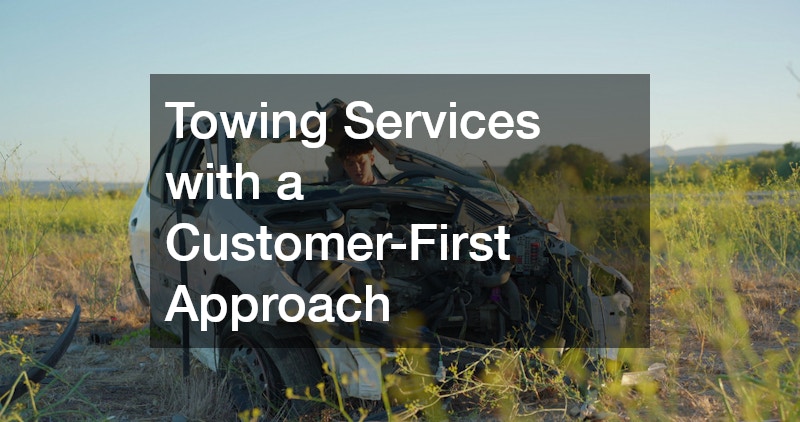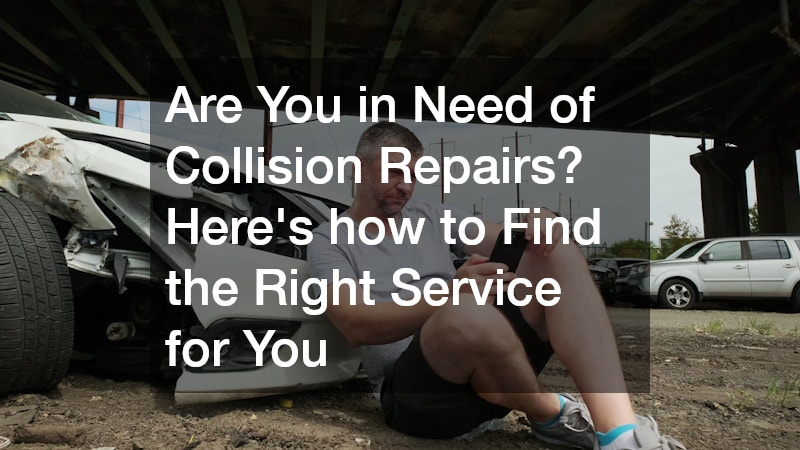
After a vehicle accident, whether minor or major, ensuring safety and restoring your vehicle’s integrity often necessitates collision repairs. These repairs are crucial not just for aesthetics but to ensure that your vehicle operates safely. Structural damage may lead to issues with alignment, handling, and the overall safety of your vehicle.
It is important to address these concerns promptly to prevent further deterioration that might lead to more costly fixes. Collision repairs help restore your vehicle to its pre-accident condition, giving you peace of mind and protecting your investment.
Identifying the appropriate moment for getting these repairs is a critical first step. Some damages are apparent, such as dents, scrapes, or broken parts. However, more severe structural damage might not be visible, requiring expert assessment to identify. Preventing future problems begins with understanding the extent of damage your vehicle has sustained, ensuring your safety and that of your passengers. It is important to regularly inspect your vehicle and seek repairs promptly to maintain its value and condition.
Consulting a professional after an accident is advisable, as they can accurately assess the damage and recommend the necessary steps for repairs. Often, what looks like a minor dent on the surface could signify deeper problems that could affect your vehicle’s safety and performance. Relying on a collision repair expert ensures that your vehicle is thoroughly inspected and repaired, safeguarding you from potential hazards. Engaging with professionals also gives you a clearer picture of repair costs and timelines, helping you plan accordingly. Thus, collision repairs are essential in keeping both you and your vehicle safe.
Researching Collision Repair Services
Once the need for collision repairs is established, researching and selecting a reliable service provider is the next crucial step. Start by gathering referrals from friends and family who have had similar experiences. Word of mouth provides invaluable insights into the reliability and quality of different service providers. Online reviews on platforms like Google and Yelp also give a broader perspective on customer experiences. With this initial information, you can begin narrowing down your options to those services with reputable histories of quality work.
Another key factor is assessing the credentials and experience of potential service providers. Ensure that the repair shop you choose is certified and recognized by authoritative industry bodies. Look for certifications like I-CAR and ASE, which indicate that the technicians are trained and competent in the latest repair techniques and safety standards. Experience also plays a critical role, as seasoned professionals are more likely to effectively manage and repair even the most complex damages. This research helps ensure that you entrust your vehicle to capable and qualified hands.
Create a shortlist of potential repair shops and visit them personally to gauge their professionalism and customer service. Evaluate the facilities, tools, and technologies they employ in their repair processes. A tour around the shop can reveal a lot about their work quality and attention to detail. Engage with their staff and inquire about the repair processes, timeframe, and transparency in their pricing. A reputable collision repair service will be upfront with information and ready to address any concerns you might have, ensuring you feel confident in your choice.
Evaluating Cost and Quality of Services
The cost of collision repairs varies widely based on the extent of damage and the nature of repairs needed. However, it’s important to balance cost with the quality of service you receive. While it might be tempting to choose the cheapest option, it’s worth considering the long-term value and longevity of the repairs. Poor workmanship can result in recurring problems and ultimately higher costs. Seek detailed estimates from multiple service providers to compare not just cost, but also the scope of work proposed.
In your evaluation, prioritize transparency from potential service providers. A reputable repair shop will provide a clear, written estimate that outlines parts, labor, and timelines. Avoid providers who are vague about these details, as it might indicate potential future disputes over hidden costs. Additionally, inquire about the warranty they provide on repairs, which can serve as a guarantee of quality and a commitment to customer satisfaction. This level of transparency and commitment should instill confidence in the shop’s ability to meet your repair needs effectively.
Consider whether the repair shop uses original equipment manufacturer (OEM) parts or aftermarket variants. While OEM parts ensure the same quality and compatibility as the original components, aftermarket parts can vary greatly in quality. Your choice might depend on your budget and preferences, but it’s important to understand the differences and implications of each type. Discuss these options thoroughly with your repair shop to make informed decisions that align with your priorities. Ultimately, the goal is to ensure your vehicle is restored safely and efficiently, without compromising quality.
After a vehicle accident, whether minor or major, ensuring safety and restoring your vehicle’s integrity often necessitates collision repairs. These repairs are crucial not just for aesthetics but to ensure that your vehicle operates safely. Structural damage may lead to issues with alignment, handling, and the overall safety of your vehicle.
It is important to address these concerns promptly to prevent further deterioration that might lead to more costly fixes. Collision repairs help restore your vehicle to its pre-accident condition, giving you peace of mind and protecting your investment.
Identifying the appropriate moment for getting these repairs is a critical first step. Some damages are apparent, such as dents, scrapes, or broken parts. However, more severe structural damage might not be visible, requiring expert assessment to identify. Preventing future problems begins with understanding the extent of damage your vehicle has sustained, ensuring your safety and that of your passengers. It is important to regularly inspect your vehicle and seek repairs promptly to maintain its value and condition.
Consulting a professional after an accident is advisable, as they can accurately assess the damage and recommend the necessary steps for repairs. Often, what looks like a minor dent on the surface could signify deeper problems that could affect your vehicle’s safety and performance. Relying on a collision repair expert ensures that your vehicle is thoroughly inspected and repaired, safeguarding you from potential hazards. Engaging with professionals also gives you a clearer picture of repair costs and timelines, helping you plan accordingly. Thus, collision repairs are essential in keeping both you and your vehicle safe.
Researching Collision Repair Services
Once the need for collision repairs is established, researching and selecting a reliable service provider is the next crucial step. Start by gathering referrals from friends and family who have had similar experiences. Word of mouth provides invaluable insights into the reliability and quality of different service providers. Online reviews on platforms like Google and Yelp also give a broader perspective on customer experiences. With this initial information, you can begin narrowing down your options to those services with reputable histories of quality work.
Another key factor is assessing the credentials and experience of potential service providers. Ensure that the repair shop you choose is certified and recognized by authoritative industry bodies. Look for certifications like I-CAR and ASE, which indicate that the technicians are trained and competent in the latest repair techniques and safety standards. Experience also plays a critical role, as seasoned professionals are more likely to effectively manage and repair even the most complex damages. This research helps ensure that you entrust your vehicle to capable and qualified hands.
Create a shortlist of potential repair shops and visit them personally to gauge their professionalism and customer service. Evaluate the facilities, tools, and technologies they employ in their repair processes. A tour around the shop can reveal a lot about their work quality and attention to detail. Engage with their staff and inquire about the repair processes, timeframe, and transparency in their pricing. A reputable collision repair service will be upfront with information and ready to address any concerns you might have, ensuring you feel confident in your choice.
Evaluating Cost and Quality of Services
The cost of collision repairs varies widely based on the extent of damage and the nature of repairs needed. However, it’s important to balance cost with the quality of service you receive. While it might be tempting to choose the cheapest option, it’s worth considering the long-term value and longevity of the repairs. Poor workmanship can result in recurring problems and ultimately higher costs. Seek detailed estimates from multiple service providers to compare not just cost, but also the scope of work proposed.
In your evaluation, prioritize transparency from potential service providers. A reputable repair shop will provide a clear, written estimate that outlines parts, labor, and timelines. Avoid providers who are vague about these details, as it might indicate potential future disputes over hidden costs. Additionally, inquire about the warranty they provide on repairs, which can serve as a guarantee of quality and a commitment to customer satisfaction. This level of transparency and commitment should instill confidence in the shop’s ability to meet your repair needs effectively.
Consider whether the repair shop uses original equipment manufacturer (OEM) parts or aftermarket variants. While OEM parts ensure the same quality and compatibility as the original components, aftermarket parts can vary greatly in quality. Your choice might depend on your budget and preferences, but it’s important to understand the differences and implications of each type. Discuss these options thoroughly with your repair shop to make informed decisions that align with your priorities. Ultimately, the goal is to ensure your vehicle is restored safely and efficiently, without compromising quality.