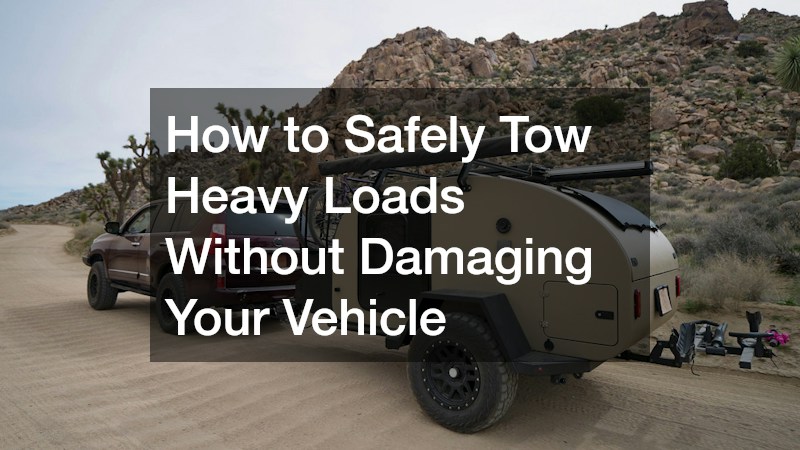
Picture yourself two hours into a summer road trip, merging onto a long mountain interstate with a loaded utility trailer or family camper hitched to the back of your truck. The morning started smoothly, yet halfway up a six-percent grade, the engine begins roaring at higher RPMs than usual, the temperature needle creeps toward the red, and a subtle rhythmic sway starts tugging at your rear bumper every time a semi-truck passes. Moments like these separate a relaxed, memorable haul from a stressful, wallet-draining breakdown on the shoulder.
Most modern pickups and midsize SUVs boast impressive towing ratings on dealership window stickers, which leads many drivers to assume that hitching up several thousand pounds is as simple as dropping a ball mount into the receiver and shifting into drive. In reality, pulling heavy weight multiplies the mechanical demands placed on nearly every subsystem of your vehicle. Your engine produces sustained heat under load, your brakes absorb dramatically more kinetic energy, your suspension compresses under tongue weight, and your drivetrain works overtime to transfer torque to the pavement. Protecting your investment does not require specialized racing gear or commercial licensing; it simply requires deliberate preparation, smart mechanical habits, and an honest respect for physics.
Verify Your Rig’s True Payload and Hitch Limits Before Hooking Up
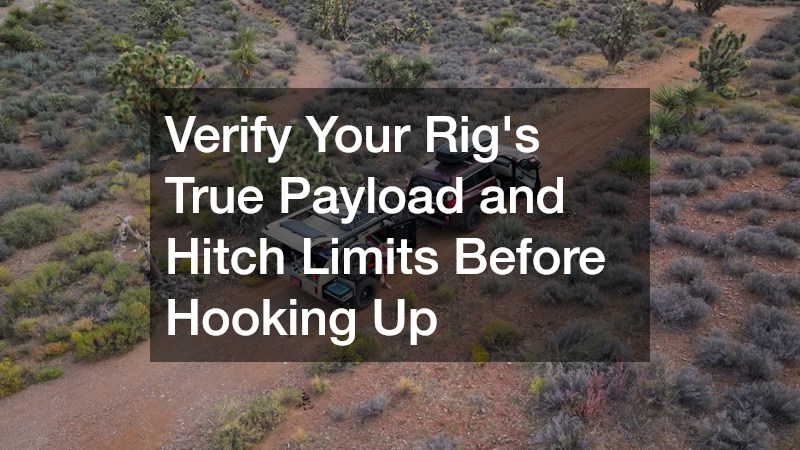
Before you even back your vehicle toward a coupler, the single most important safeguard happens with a calculator and the sticker inside your driver-side doorjamb. Marketing brochures love highlighting maximum conventional towing numbers, yet those headline figures almost always assume an empty cab, a single lightweight driver, and zero gear in the cargo bed. Once you load coolers, toolboxes, luggage, and three passengers into the vehicle, you eat directly into your available payload capacity—and payload, not towing capacity, is what most everyday drivers exceed first.
Every trailer places downward force onto the hitch ball, known as tongue weight. For bumper-pull trailers, safe tongue weight sits between 10 and 15 percent of the total loaded trailer mass. If you are pulling a 6,000-pound camper, roughly 600 to 900 pounds of that weight rests directly on your rear suspension and counts pound-for-pound against your vehicle’s payload rating. When that downward load exceeds what the rear axle is engineered to carry, the rear end squats, lifting weight off the front tires. Lighter front-end contact reduces steering precision, lengthens stopping distances, and aims your headlights straight into oncoming traffic.
Beyond immediate handling hazards, chronically overloading a hitch or hauling unevenly balanced cargo introduces torsional stress across the chassis over thousands of miles. If your rig suddenly begins pulling toward one lane under load or you notice uneven feathering along the edges of your front tires after a season of heavy hauling, having a shop check your frame alignment ensures the chassis remains square and safe before you hook up again.
Inspect and Service Your Trailer’s Running Gear
Even a perfectly matched tow vehicle cannot compensate for neglected equipment rolling behind it. Because trailers often sit parked for weeks or months between trips, rubber, grease, and electrical contacts degrade quietly while stationary. Running through a methodical pre-trip inspection at least a few days before departure gives you ample time to catch small issues in your driveway rather than on a narrow highway shoulder.
- Check tire age, pressure, and load ratings. Trailer tires rarely wear out from tread loss; instead, they fail from sidewall dry rot and underinflation heat buildup. Locate the four-digit DOT date code stamped on the sidewall—if the tires are more than five or six years old, replace them regardless of tread depth, and always inflate cold tires to the exact maximum PSI printed on the sidewall.
- Test wheel bearings and hub temperatures. Jack up each trailer axle and spin the wheels by hand while listening for grinding or roughness, then rock the tire top-to-bottom to check for excessive play. Fresh marine-grade grease and properly torqued castle nuts keep hubs running cool on long highway stretches.
- Verify electric brakes and breakaway switches. Have a helper press the manual slide on your cabin brake controller while you confirm that the trailer brakes engage smoothly. Pull the pin on the emergency breakaway cable briefly to verify that the onboard battery locks the trailer wheels if the coupler ever separates from the ball.
- Inspect safety chains, couplers, and lighting. Cross your safety chains in an X-pattern beneath the tongue so they cradle the coupler rather than dragging on the asphalt if it unlatches, and confirm that brake lights, turn signals, and running lights respond without flickering.
Staying ahead of worn bearings, frayed wiring, and tired brake magnets through routine trailer repair prevents the vast majority of roadside emergencies. Just as importantly, pack a dedicated roadside tote containing spare auto parts specific to your trailer—extra lug nuts, wheel bearings, races, grease seals, fuses, and replacement bulbs—because rural gas stations rarely stock axle components on a Sunday afternoon.
Upgrade Cooling and Braking Components for Heavy Hauling
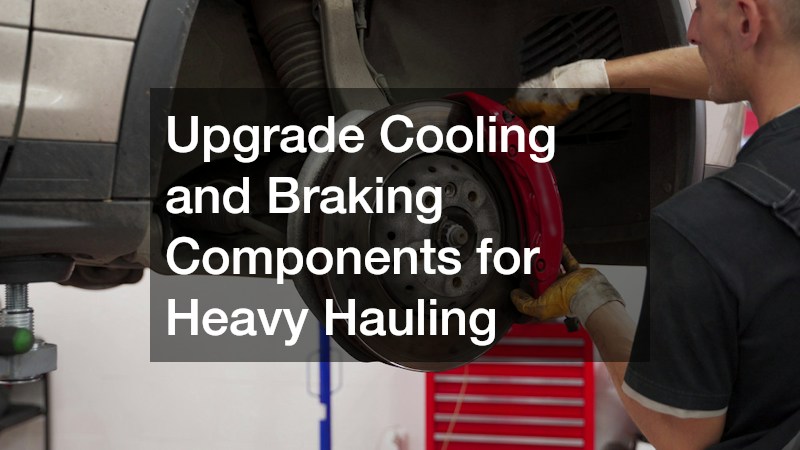
Factory vehicles built with basic tow packages are typically calibrated for occasional, moderate hauling on flat terrain. Once you start pulling near the upper threshold of your rating through summer heat or mountainous grades, factory thermal margins shrink rapidly. The two areas where heat causes the fastest, most expensive damage are your powertrain cooling loop and your foundation brakes.
When an engine works continuously at high throttle openings, coolant temperatures rise faster than airflow through a standard radiator can shed heat. Upgrading to a high-capacity aluminum radiator, installing a lower-temperature thermostat, or adding an auxiliary oil cooler gives your engine extra thermal headroom when climbing long grades in low gear. On the braking side, standard ceramic street pads prioritize quiet operation and low dust, yet under sustained heavy braking they can glaze over and lose friction—a terrifying phenomenon known as brake fade. Swapping to severe-duty semi-metallic brake pads, paired with high-carbon slotted rotors and fresh DOT 4 brake fluid with a higher boiling point, restores firm, predictable pedal feel when descending steep passes.
Deciding Between Driveway Upgrades and Shop Service
Many preventative cooling and braking improvements fall comfortably within the reach of a weekend enthusiast. Flushing old brake fluid, bolting on upgraded rotors and pads, or mounting a straightforward auxiliary cooler in front of the condenser makes for a rewarding Saturday car repair project if you own basic hand tools and a torque wrench. However, tasks that integrate directly into your vehicle’s electronic stability network—such as wiring an OEM-integrated proportional brake controller, calibrating load-leveling air suspension, or re-gearing differentials for larger tires—require specialized diagnostic scan tools and precise tolerances best trusted to a seasoned auto repair technician.
Protect Your Drivetrain From Overheating and Gear Hunting
Think back to the last time you drove behind a heavy truck climbing a long hill and heard its engine rapidly shifting back and forth between two gears every few seconds. That constant back-and-forth shifting, known as gear hunting, occurs when an automatic transmission tries to stay in a fuel-saving overdrive gear while the engine lacks the torque to maintain speed against the grade. Every shift generates friction, and rapid, repeated shifting spikes fluid temperatures inside the torque converter within minutes.
The simplest habit to protect your drivetrain is pressing the Tow/Haul button before you even pull out of your driveway. Tow/Haul mode alters shift points so the transmission holds lower gears longer under acceleration, locks the torque converter earlier to reduce fluid slip, and downshifts automatically during braking to use engine compression to help slow the rig. If your vehicle lacks a dedicated Tow/Haul button, manually lock out top overdrive gears whenever you encounter rolling hills or headwinds.
Automatic transmission fluid acts as both hydraulic lifeblood and coolant, yet extreme heat breaks down its protective additives rapidly. Under normal commuting conditions, fluid might last 60,000 to 100,000 miles, whereas frequent heavy towing cuts that safe interval roughly in half. Check your dipstick periodically if your vehicle has one: healthy fluid looks translucent red and smells slightly sweet, while dark brown fluid with a burnt odor signals overheating. Catching sluggish engagement or minor flare between shifts early allows a specialist to perform targeted transmission repair—such as replacing a worn solenoid pack, valve body, or torque converter—long before internal clutch packs burn up and force a complete transmission replacement.
Master Safe Driving, Braking, and Sway Control Techniques on the Road
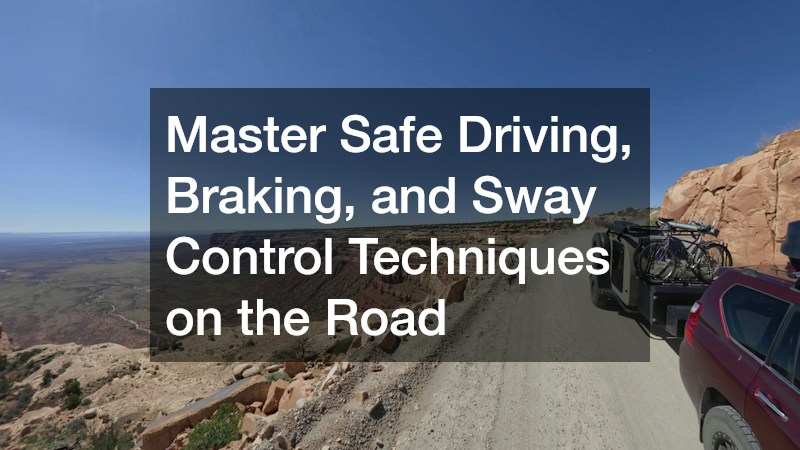
Even the strongest truck and best-maintained trailer rely entirely on smooth inputs from behind the wheel. Adding five to ten thousand pounds behind your rear bumper changes stopping distances, turning radii, and aerodynamic stability in ways that punish abrupt movements.
Managing Space, Speed, and Steep Descents
Give yourself at least six to eight seconds of following distance behind traffic ahead—roughly double what you leave when driving solo—so you never have to stab the brake pedal suddenly. When approaching tight intersections or gas station entrances, swing wider than normal before turning so the trailer’s inside wheels clear curbs and signposts. Before cresting a steep mountain descent, slow down at the summit and shift into a lower gear so engine braking holds your speed steady, saving your friction brakes for controlled, intermittent applications rather than continuous riding.
Recovering Safely From Trailer Sway
Crosswinds, passing tractor-trailers, or slightly too little tongue weight can trigger side-to-side fishtailing. When sway starts, your instinct may be to slam on the vehicle brakes or counter-steer aggressively, yet both reactions amplify the pendulum motion. Instead, keep your steering wheel pointed straight ahead, ease gently off the accelerator, and reach down to squeeze the manual override lever on your trailer brake controller. Applying the trailer brakes independently pulls the rig taut like stretching a string, bringing sway under control smoothly without jarring the chassis. Even minor sway incidents or tight backing miscalculations can leave creased fenders, dented tailgates, or bent bumper corners; if cosmetic damage does occur, sourcing color-matched used auto body parts lets you restore your truck’s appearance cleanly without paying steep dealership sheet-metal prices.
Know When to Stop Driving and Evaluate Post-Breakdown Options
No amount of preparation eliminates every mechanical surprise on the open road, which makes knowing when to stop driving just as critical as knowing how to tow. Ignoring an overheating gauge or a new driveline vibration for “just ten more miles to the next exit” routinely turns a manageable component failure into catastrophic engine or axle destruction.
If your coolant or transmission temperature needle climbs into the red zone, steam appears from under the hood, the brake pedal turns spongy, or a loud rhythmic clunk develops beneath the floorboard, activate your hazard lights immediately and steer smoothly onto the widest shoulder available. Set reflective warning triangles behind the trailer to alert oncoming traffic, keep passengers clear of the roadway, and call a commercial tow truck capable of handling both your disabled tow vehicle and the hitched trailer in a single coordinated recovery rather than leaving your cargo unattended on the roadside.
Once the dust settles and a mechanic delivers a repair estimate, step back and weigh the numbers unemotionally—especially if you drive an older, high-mileage tow rig. Comparing a major repair bill against an independent valuation from a reputable car appraisal company gives you an objective baseline of what your vehicle is actually worth in current market conditions, helping you decide whether investing in major repairs makes financial sense or whether putting that money toward a newer, higher-capacity tow vehicle is the wiser move.
Build a Repeatable Routine for Every Haul
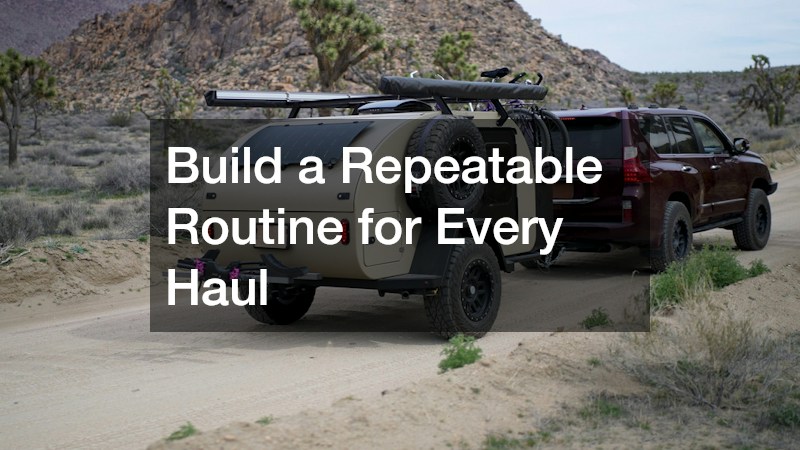
Safe towing is rarely about a single dramatic maneuver; it is the cumulative result of dozens of quiet, disciplined habits practiced before and during every trip. Respecting your payload sticker, inspecting bearings and tires while the trailer is still parked at home, keeping drivetrain temperatures in check on steep climbs, and leaving generous room around your rig on the highway protect both your mechanical investment and everyone sharing the road beside you.
Consider printing a laminated pre-trip checklist and keeping it inside your glove box alongside your wheel chocks and tire pressure gauge. Walking through the same sequence every time you hitch up turns complex safety checks into effortless muscle memory—letting you focus on the scenery ahead rather than worrying about what is happening behind your bumper.